Articles Tagged:

flies

Say you are on the river or lake, and you see all kinds of insects flying around. You see bugs in the air and bugs on the water. So you think: "I need to match the hatch" to catch these fish. Which for the uninitiated means: try to match the live flies you are witnessing with a good imitation. Here's my tip: Try something different instead!

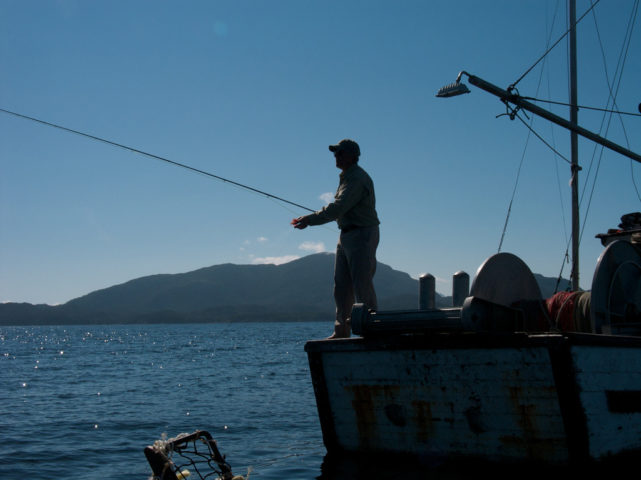
The saltwater flies you choose will depend on whether you're fishing offshore, in shallow-water flats/estuaries/mangrove jungles, or on the ocean floor.

While the bait vs fly debate continues... here's what you need to know about fly fishing bait and lures, specifically with regard to saltwater fishing.

Upstream wet fly fishing creates a challenge for most, but it certainly has its benefits. Here's what you need to know to try your hand at wet fly fishing upstream.

How to do downstream casting when using wet flies. Plus, how to 'mend the line' and do a 'wet fly swing' when fly fishing.

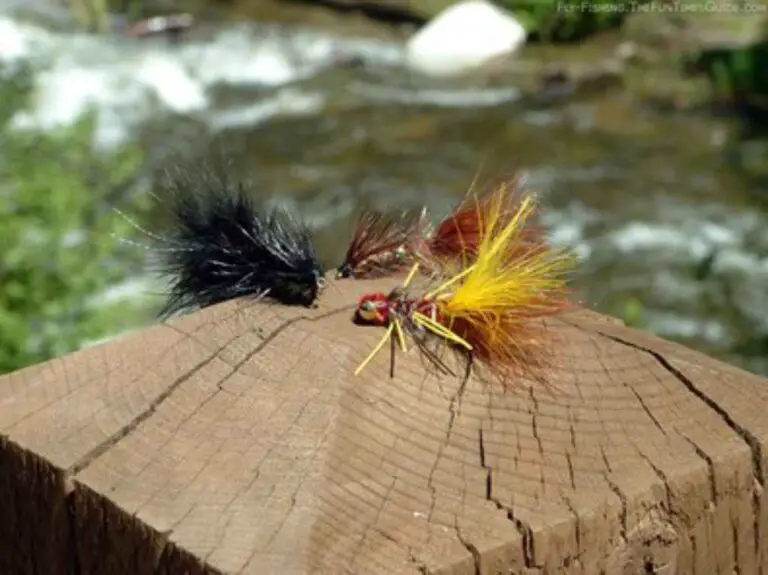
Do you know the 2 main types of fly fishing flies?... Imitators and Attractors. Here's what you need to know, plus some of the most common types of flies are described.

A dry fly is also known as a floating fly. Dry flies are the best ones to use if you are fishing on running water during the hatch. Here's why, plus tips for presenting a dry fly on running water.

If the river is raging when you arrive at your favorite fly fishing destination, have no fear. With these tips, you can master the high water and take home a nice catch! These are our best fly fishing high water tips.

If you plan to go fly fishing for pike soon, make sure that you have the proper pike gear first. Here's what you need to know about fly fishing for pike.

Don't fall into the trap of buying unnecessary fly fishing equipment. There is some very specific fly fishing gear and tools that you will need to take with you fly fishing. Here are the basic items that you will want to carry in your fly fishing vest.

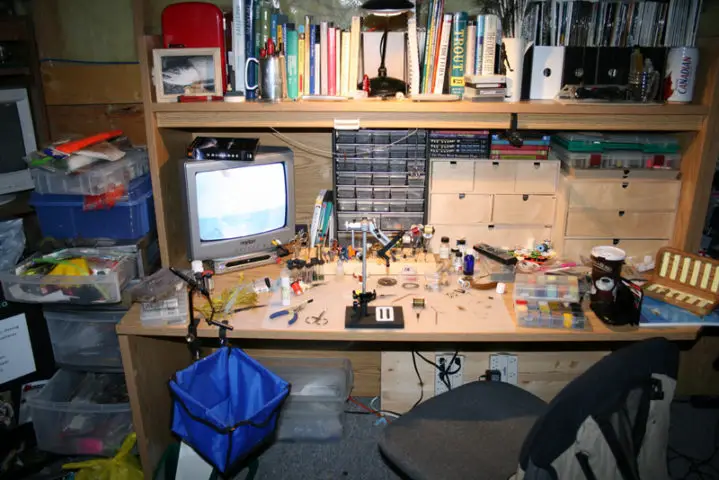
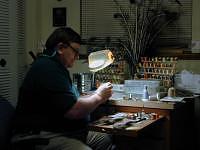
If you're an avid fly fisherman, then you probably have a large area set aside for tying flies -- like a fly tying table or workbench. Here are some tips for keeping your fly tying workspace neat and tidy. Plus, lots of must-have items you should have in your fly tying bench.

Here are some tips for tying fly fishing knots, plus links to the best sites for learning to tie your own fly fishing knots -- including animated photos and knot-tying videos!

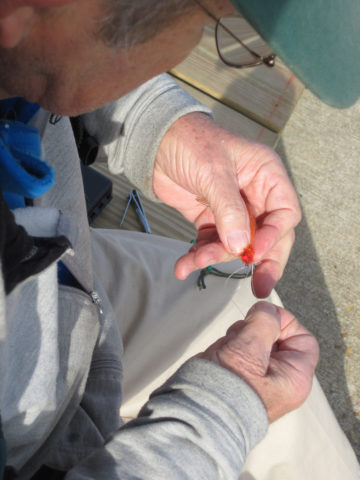
When you tie your own flies, it makes fly fishing more interesting. And when you learn to tie flies that lure fish to your line, you have a great feeling of accomplishment. Before you begin tying flies, there are the most important tools you will need.

If you are fishing a fly below the water surface, you are wet fly fishing. Wet fly fishing is more about how you fish the fly rather than the fly itself. Most of the time, wet fly anglers are more successful because fish feed under the film and feast on smaller fish, terrestrials, aquatic bugs, shrimp, crayfish and tadpoles.

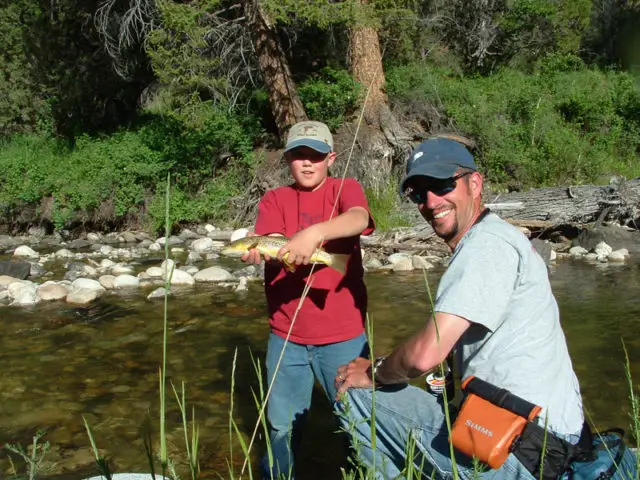
Everything from how to present the fly to casting tips when using wet flies versus dry flies. How to find fishing buddies, choose the right gear, and more!

Reading the rise means studying the movement a fish makes when it comes to the water's surface to take an insect. It's important to learn to read the rise because it allows you to know exactly what the fish are doing, so you know which fly fishing tactics to use to catch the fish.

Some kids are ready to learn fly fishing basics when they are 7 or 8 years old. Others will need more time and may be as old as 12 or 13 before they're ready to experience their first fly fishing adventure. Here are some tips for teaching your child to fly fish for the first time.

If you plan on taking up the sport of fly fishing, the equipment you choose will be imperative to your success. Here are some tips to help you find the best gear and equipment for your first fly fishing outings...